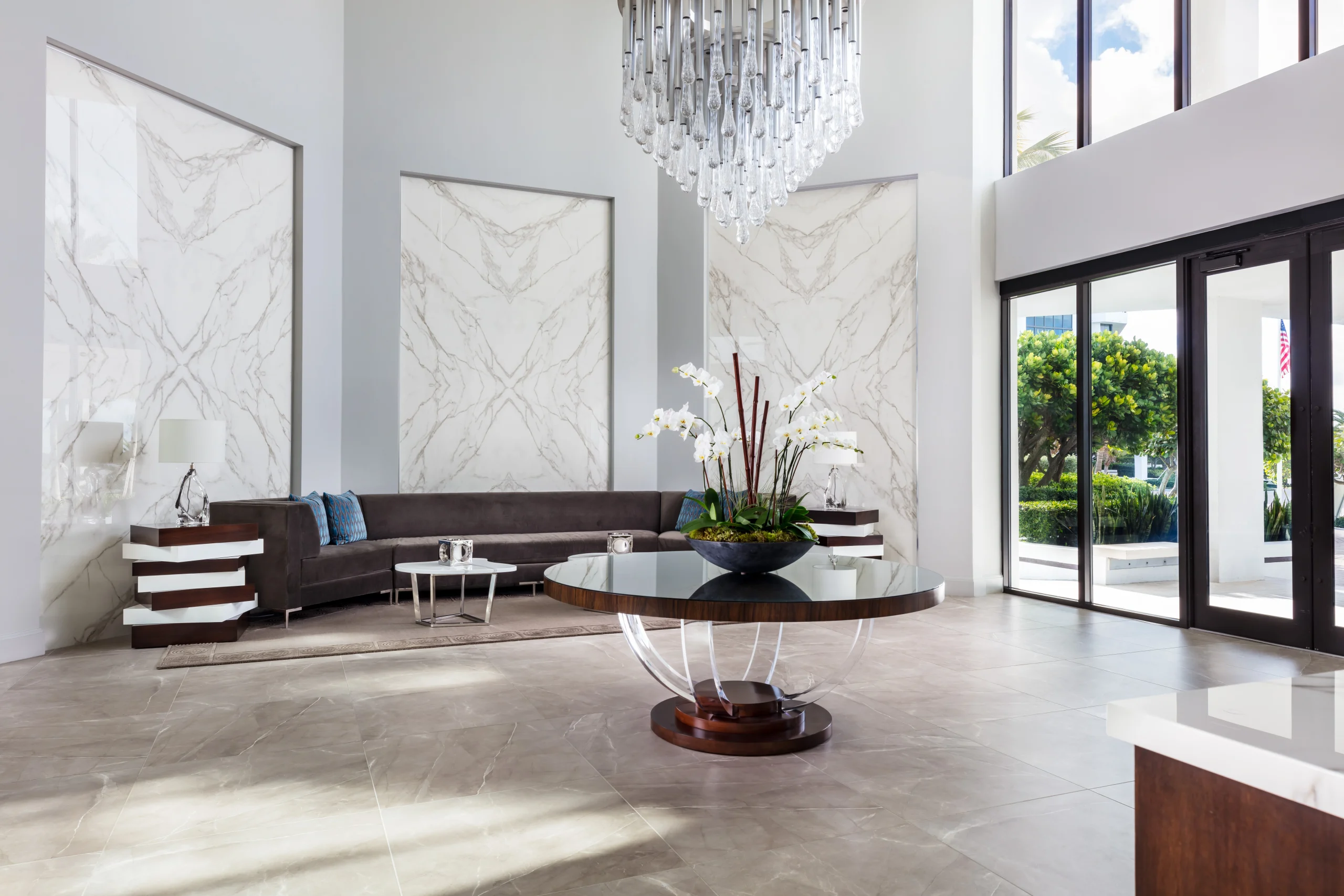
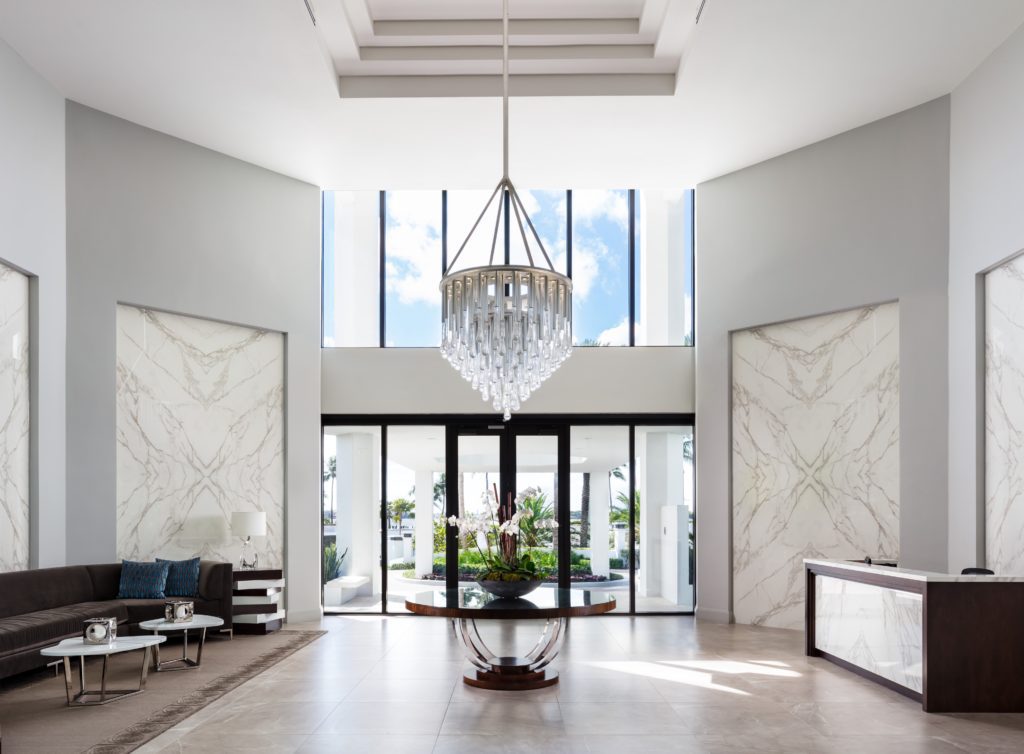
In today’s South Florida commercial landscape, a well-designed space is no longer a differentiator. It directly influences how people behave.
From Palm Beach to Jupiter and across South Florida, businesses compete on more than product or service alone. They compete on perception. The moment someone walks into a space, they begin forming opinions about quality, trust, and value, often within seconds.
The built environment shapes those impressions.
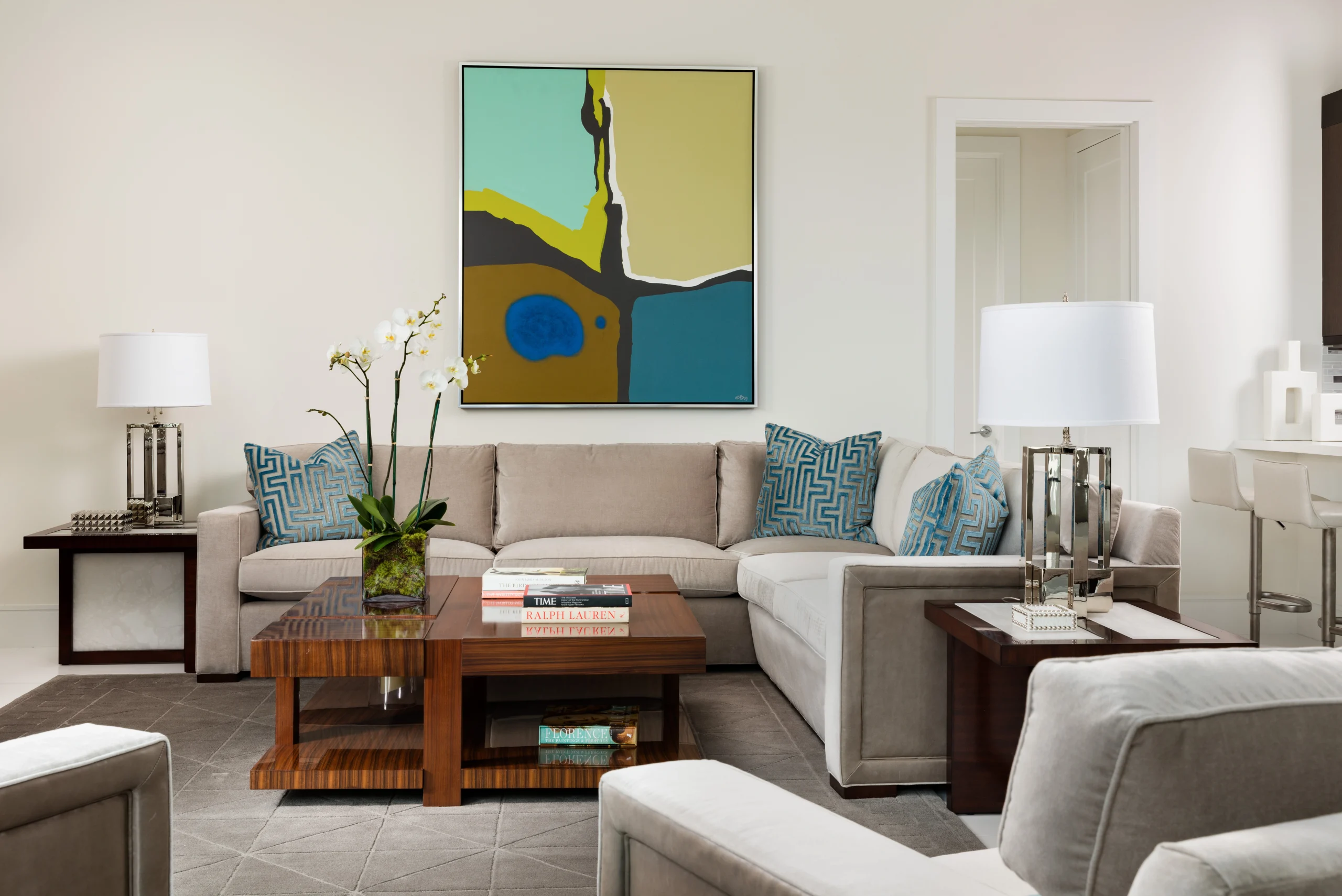
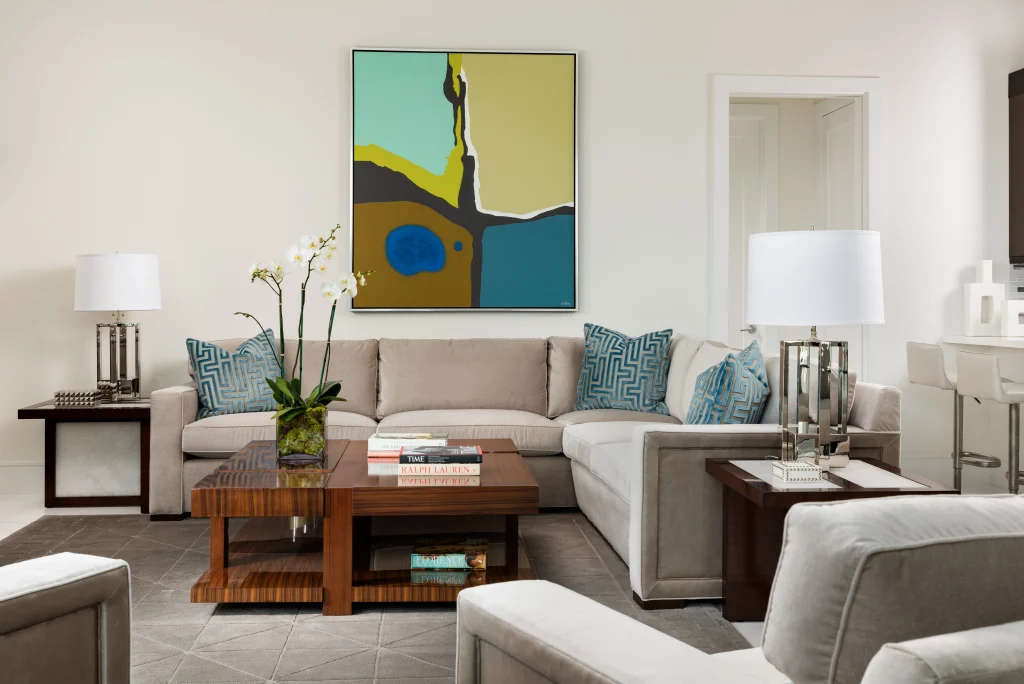
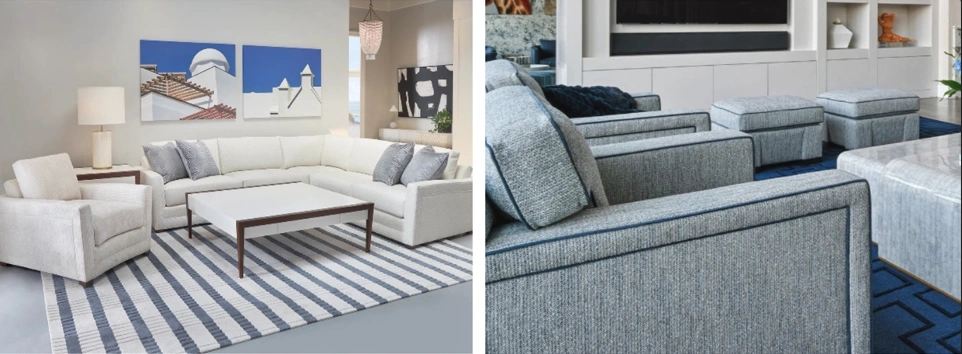
Lighting influences how long someone stays. Layout guides how people move through a space. Materials and finishes communicate whether a brand positions itself as premium or transactional. Even subtle details, such as ceiling height and sightlines, affect comfort and confidence.
In retail and hospitality settings, these decisions can directly impact spending. A well-planned environment encourages people to slow down, explore, and engage. In professional spaces such as condominiums, restaurants, and private client environments, the same principles apply differently. A cohesive, well-executed interior establishes trust before a conversation even begins.
This is where many commercial projects fall short.
Too often, teams bring design into the process after architects and contractors have already made key planning and layout decisions. The result may look complete, but the space rarely performs at its highest level. Circulation feels awkward. Lighting lacks consistency. Materials compete rather than complement one another. People notice these details, even if they cannot immediately identify why a space feels disconnected.
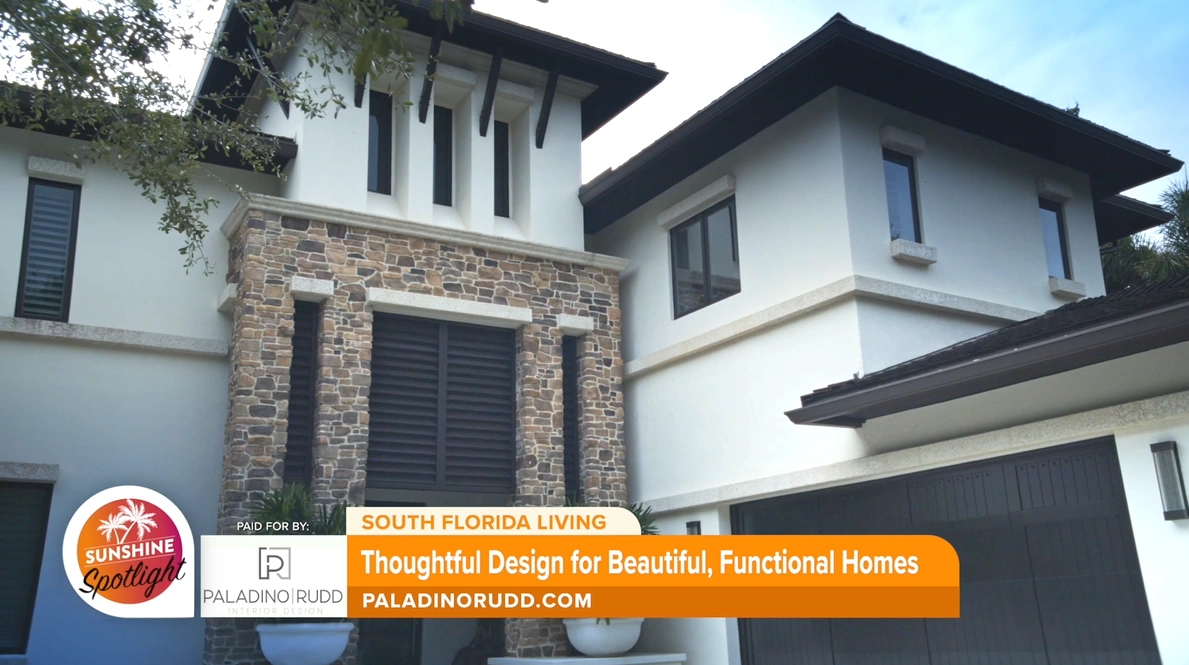
At Paladino Rudd Interior Design, commercial spaces begin from the inside out. The design team integrates design early, shaping how a space is planned, built, and experienced. By collaborating with architects and builders from the outset, the team aligns decisions about layout, proportion, and materiality from day one.
In markets like Palm Beach and throughout South Florida, where expectations run high and competition remains sophisticated, these distinctions matter. Clients are more discerning. They recognize when a space feels intentional and when it does not.
In many cases, that difference determines whether someone stays, returns, or chooses to engage at all. Today, commercial design does more than support a business. It shapes how people experience that business and influences how it performs.
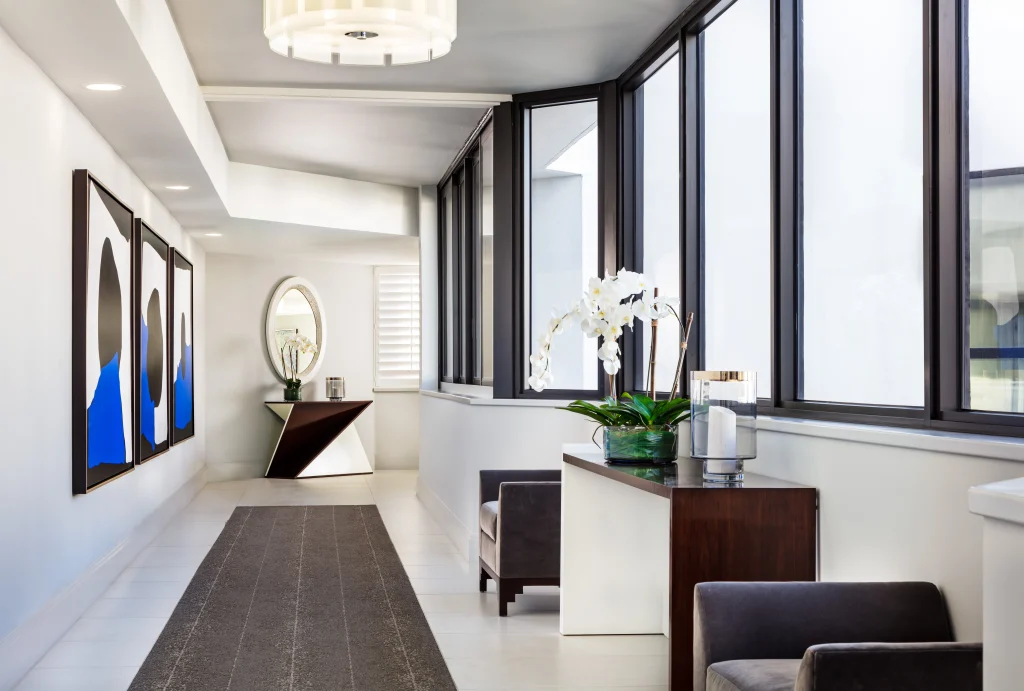
To learn more about Paladino Rudd’s commercial interior design services, please click here.