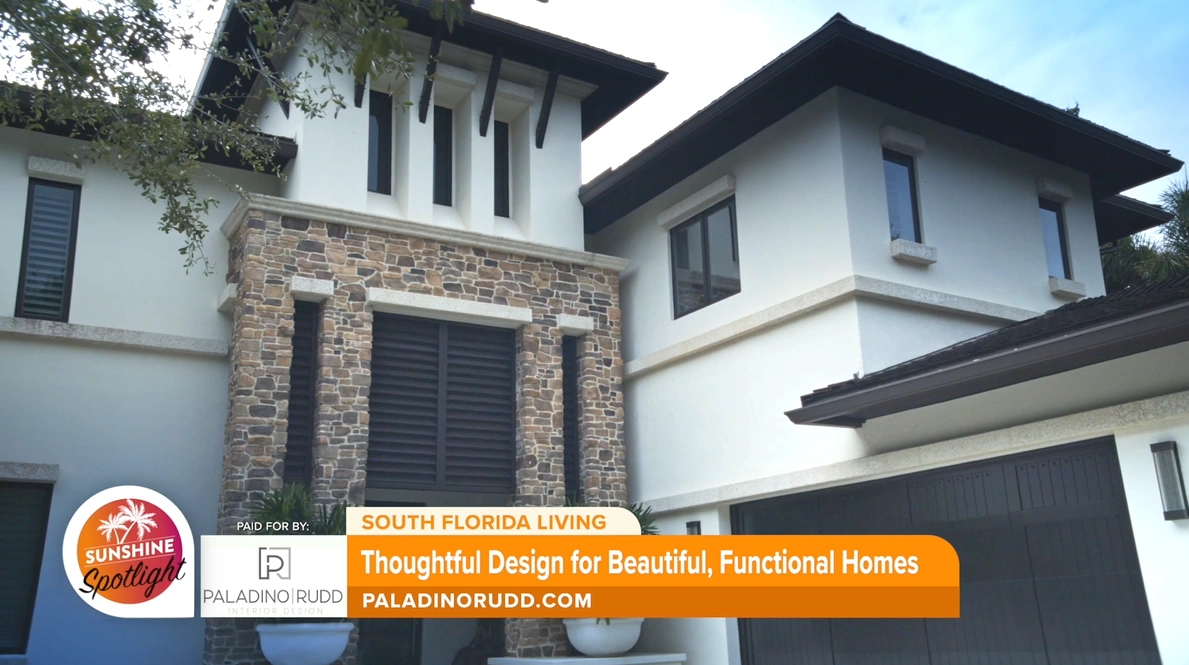
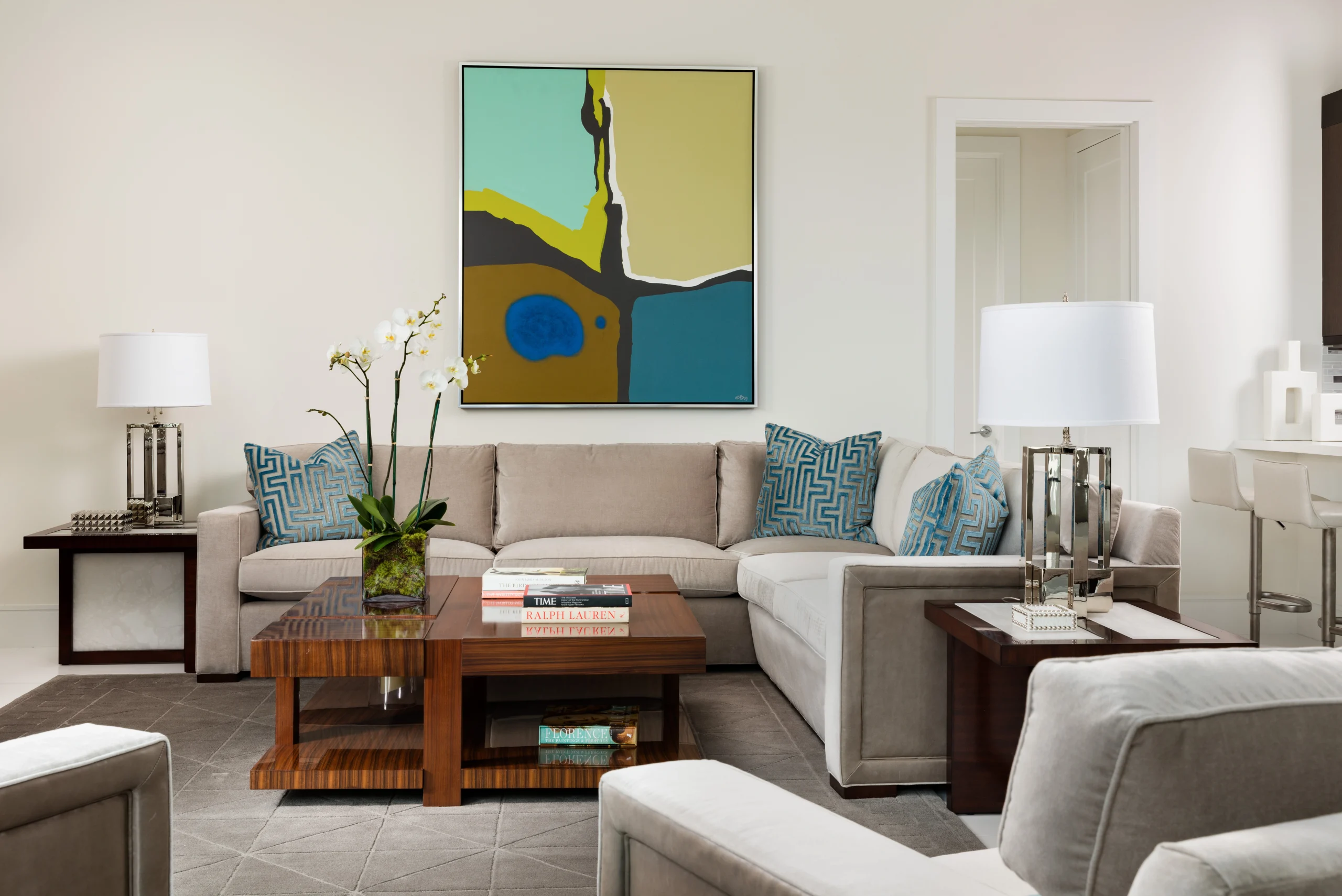
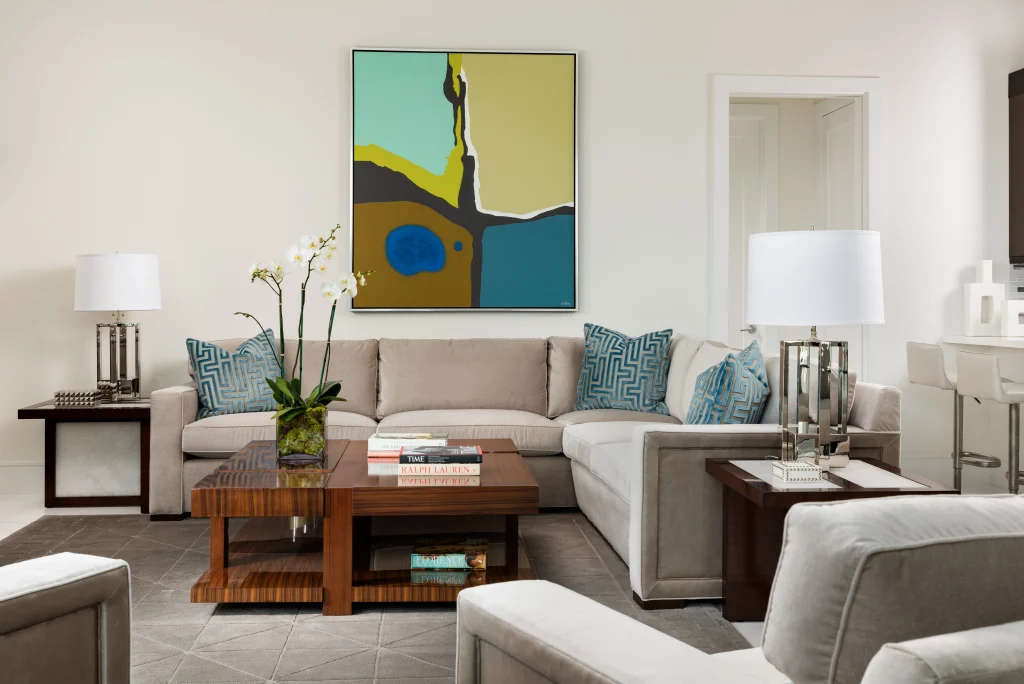
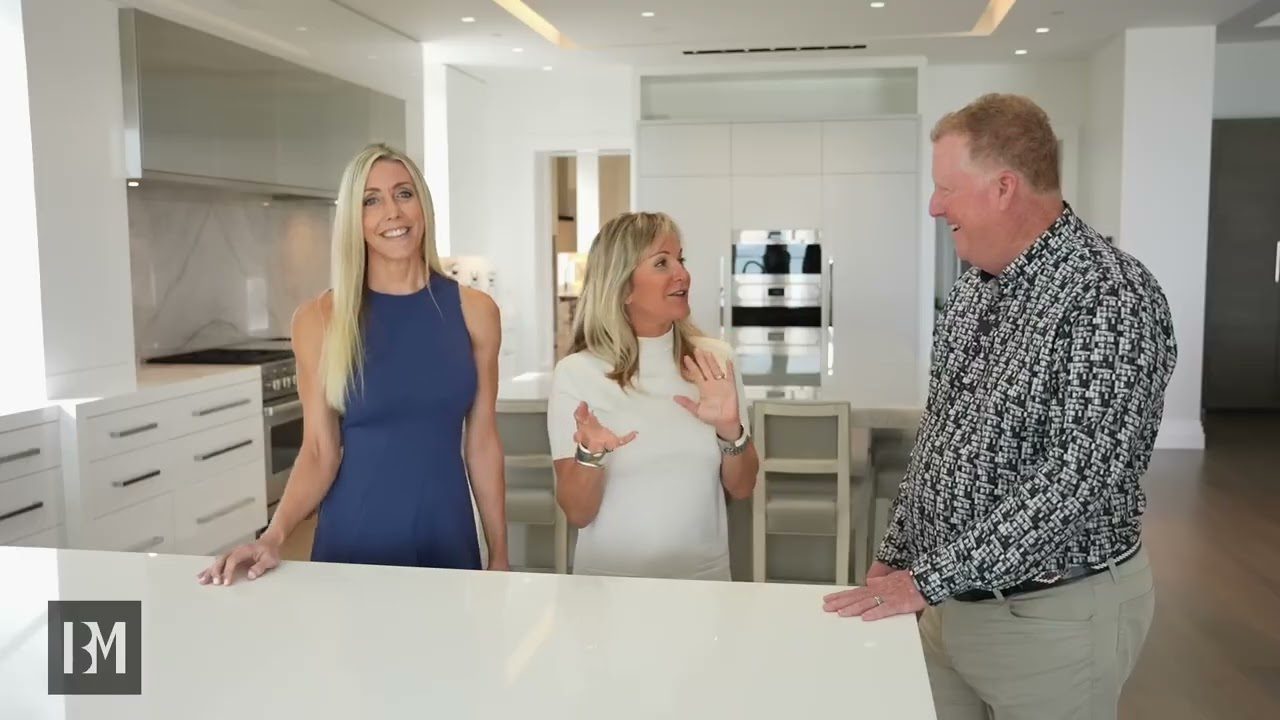
Within the gates of Admiral’s Cove, one of Jupiter’s most iconic waterfront communities, this fully customized residence reflects the thoughtful design and layered refinement that define Paladino Rudd Interior Design. Recently featured on Sunshine Spotlight with WPTV, Palm Beach County’s local news station, the home offers a meaningful look at how we approach architecture and interiors as one cohesive vision.
From the beginning, this project was about reimagining what the home could be. A narrow, service-style staircase became a sculptural focal point that now sets the tone the moment you walk inside. In the kitchen, heavy stone columns were removed to open the space and create a more natural flow for everyday living and entertaining. Each change was made with intention, always considering proportion, light, and how the family would truly experience the home.
Materials play an important role in how the space feels. Custom walnut surrounds with integrated LED lighting softly define each room, adding warmth and quiet dimension. Leathered brown quartzite grounds the kitchen with texture and richness, while a serene zen garden introduces a peaceful moment at the center of the home. Allison Paladino’s custom “Rain” lighting fixture adds sculptural elegance overhead, and Zita Rudd thoughtfully curated the furnishings, art, rugs, and performance fabrics to balance sophistication with comfort.
The result is a modern, organic waterfront home designed for gathering, celebrating, and everyday life. It is tailored, intentional, and deeply personal to the family who lives there.
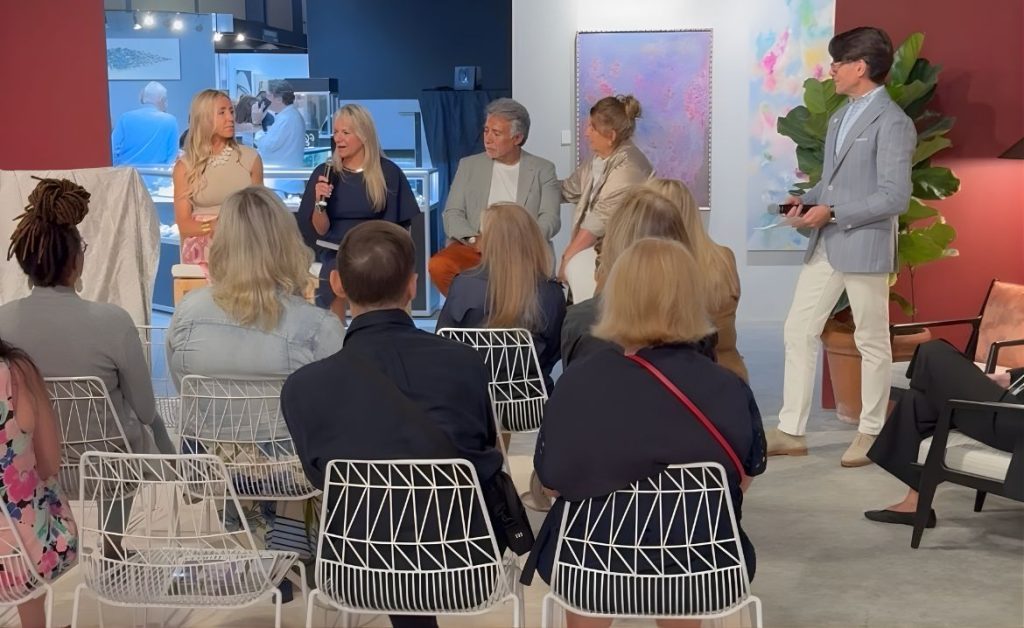
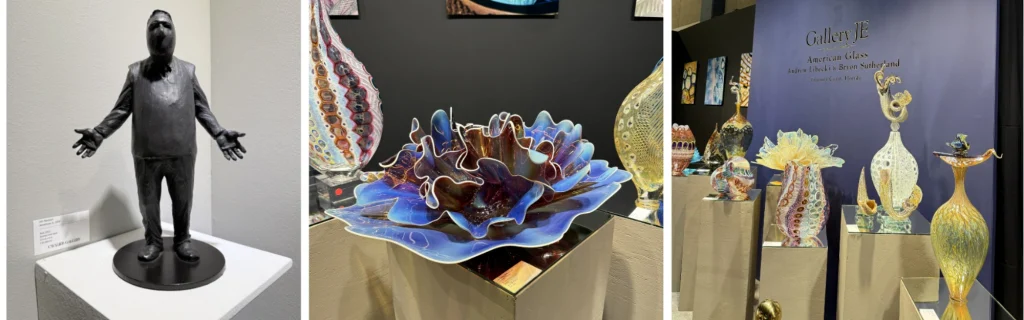
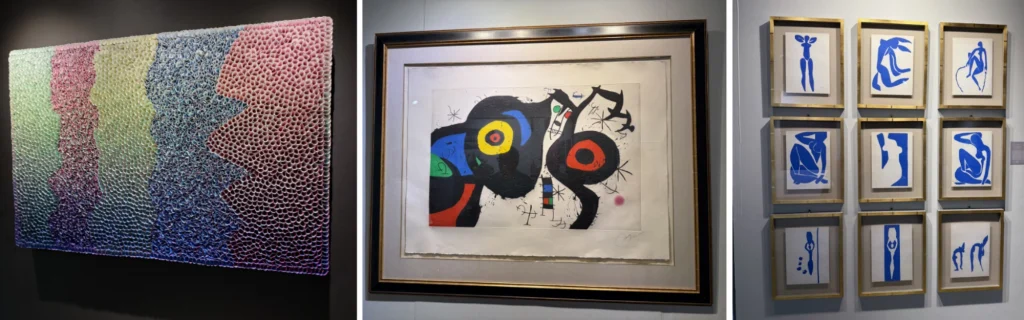
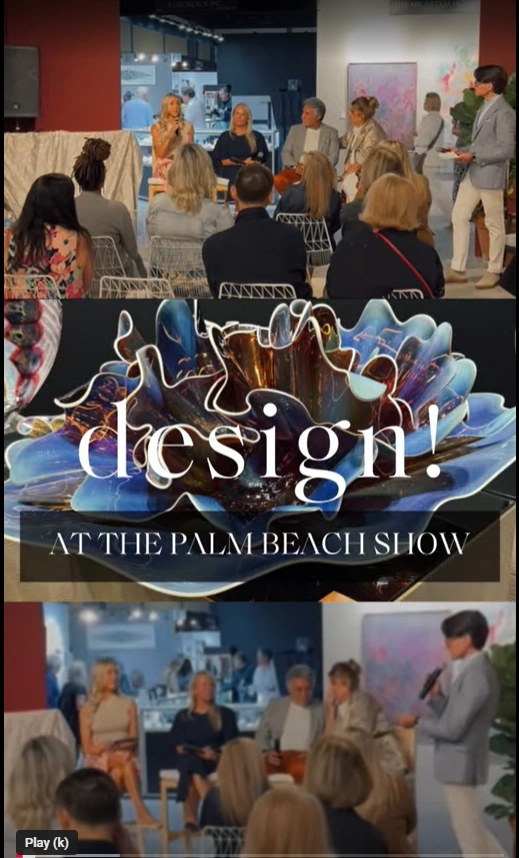
This year at the Palm Beach Show, we had the pleasure of joining an inspiring panel discussion titled Collectors versus Non-Collectors: Designing with Art for Two Different Client Types, alongside Carlos Herrera Elias of Art New Line. Set against the backdrop of what is widely known as the most luxurious and sophisticated showcase of its kind in the United States, the conversation felt especially fitting. The Palm Beach Show brings together extraordinary art, antiques, and jewelry from around the world, and being surrounded by that caliber of craftsmanship naturally elevates any dialogue about design.
The question that anchored our discussion was a thoughtful one: Are we designing toward a collection, or away from it? For us, the answer always begins with architecture.
In many of our projects, particularly new builds, we are shaping the interior architecture long before furnishings are installed. That early involvement allows us to create moments for art to live and breathe intentionally. When a client is a true collector, the home becomes a gallery in the most personal sense. It is not about filling walls. It is about composing sightlines, scale, proportion, and light so each piece feels purposeful.
Collectors tend to lead with passion. They acquire pieces that move them, sometimes before knowing exactly where those works will live. Our role is to thoughtfully craft interiors that honor and elevate those acquisitions. We consider ceiling heights, wall expanses, natural light, and circulation patterns so that the art feels intentional rather than incidental. Realistic renderings are invaluable in this process, allowing clients to see how scale and placement will feel long before installation day.
One project we referenced during the panel perfectly illustrates this approach. The clients were transitioning from a traditional home in Michigan to a striking modern residence. Along the way, they began acquiring bold contemporary art, including an extraordinary oversized Patek Philippe watch installation nearly 11 feet long. They purchased it before the home was completed and would send us photos as they discovered new pieces. That level of enthusiasm is always such a joy to witness.
Because we were deeply involved in the architectural planning, we were able to study the renderings and identify the ideal placement for that statement piece. It became the focal point of a custom-designed staircase, one of our favorite architectural elements to create. The result was not simply a house with art added later. It was a home where the architecture and the artwork were in dialogue from the very beginning.
Non-collectors, on the other hand, may approach art as a finishing layer. In those cases, we often guide the selection process more actively, helping clients discover works that complement the architecture and furnishings. We consider color palette, mood, and spatial rhythm, ensuring the art enhances the overall design narrative without overwhelming it.
One of our favorite aspects of working with collectors is continuing the journey beyond the home itself. We often attend art shows with our clients, including the Palm Beach Show and Art Basel, sourcing new pieces together. It becomes an ongoing collaboration, an evolution rather than a single design moment. There is something incredibly meaningful about standing beside a client as they fall in love with a work of art, knowing we will help create the perfect setting for it.
Ultimately, whether a client is a seasoned collector or just beginning to explore the world of art, our philosophy remains the same. A home should tell a story. Art is often the most personal chapter of that story. When thoughtfully integrated into the architecture and interiors, it transforms a beautiful space into something deeply individual.
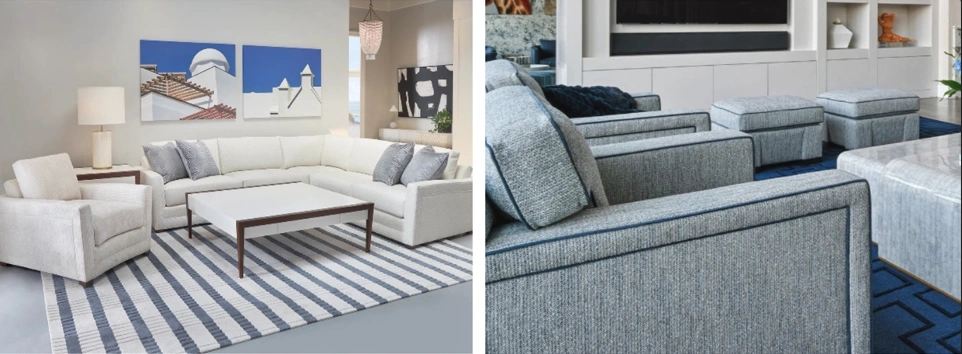
When I first introduced my furniture collection with EJ Victor, it marked a defining moment in my career. The brand represented a standard of craftsmanship and refinement that shaped the luxury furnishings industry for decades. To collaborate with a company so deeply respected for its artistry and integrity was both an honor and a milestone.
After an extraordinary legacy of beautiful, bench-made work, EJ Victor recently closed its doors, bringing a remarkable chapter in design history to a close. It truly marked the end of an era.
With that change, I am grateful to share that the collection has found a new home with Chaddock. Their commitment to American craftsmanship and thoughtful manufacturing makes this transition feel both natural and exciting. It ensures that the pieces continue forward with the same level of care and integrity that defined them from the beginning.
From its inception, this collection has embodied the way I approach interior design. My process begins with proportion and architecture. A chair must feel poised within a room. A dining piece should invite lingering conversation and effortless comfort.
I consider silhouette and scale with intention, studying how each line relates to the architecture around it and how negative space allows a form to breathe. These are not standalone furnishings. They are thoughtfully composed elements, designed to live gracefully within a home and contribute to a larger, cohesive narrative.
The collection is a curated series of pieces that feel timeless, livable, and quietly refined.
Sir Martin Canted Chair The Sir Martin chair has always been one of my favorites for its architectural presence. Its structured frame and classic proportions anchor a living room or library with confidence, while still feeling welcoming and comfortable.
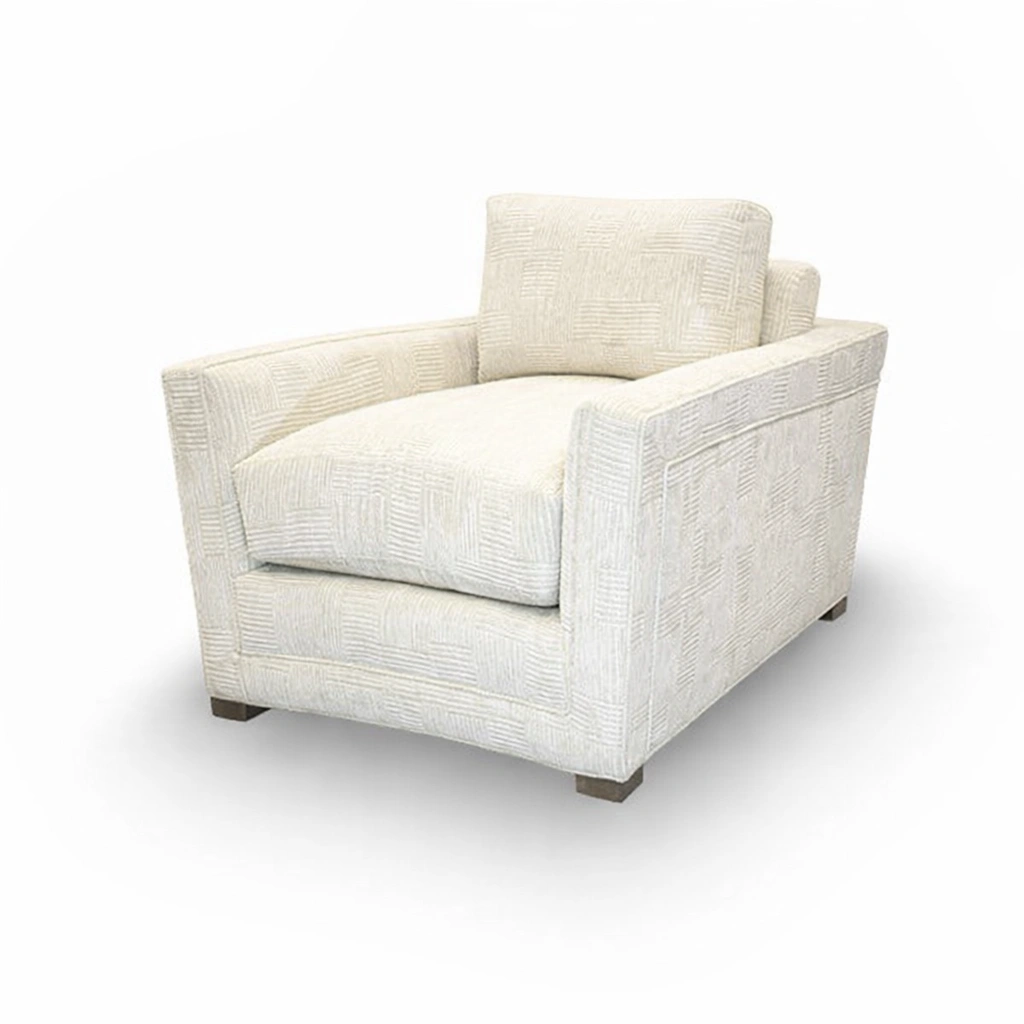
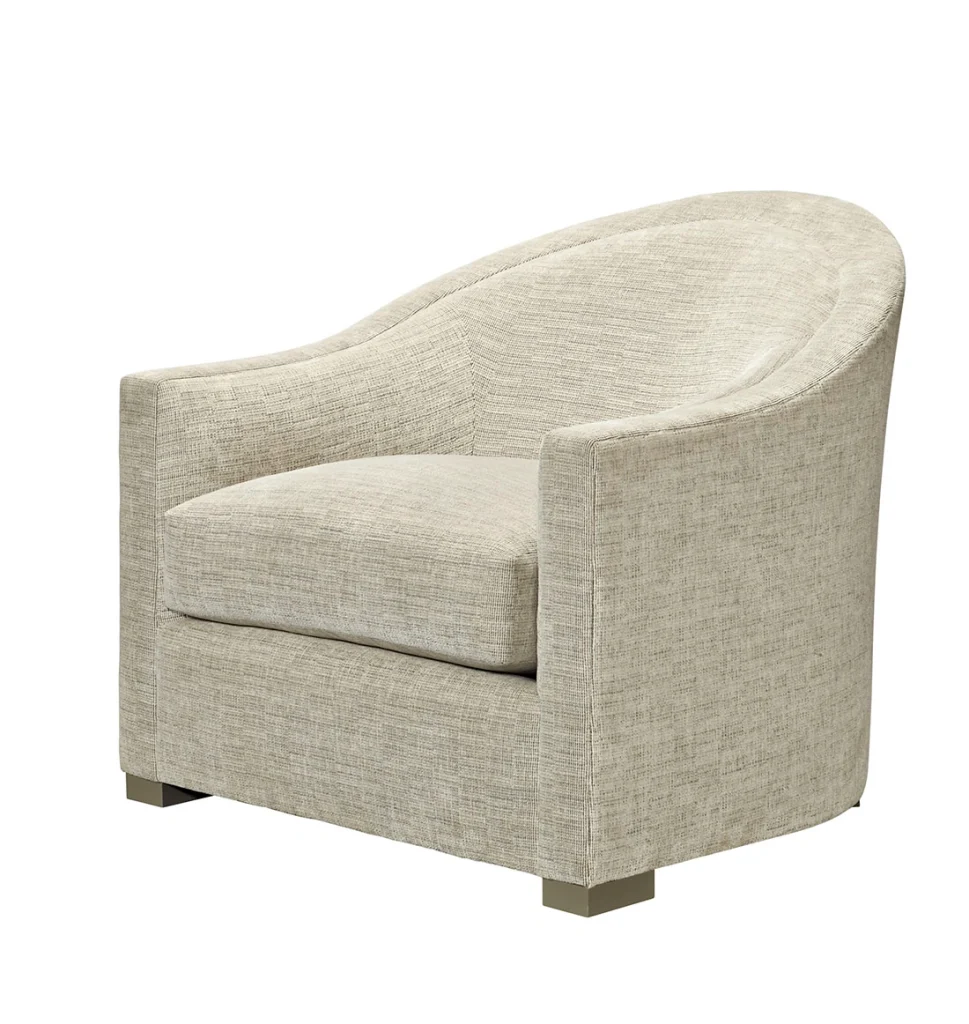
Randee Chair The Randee Chair pairs architectural lines with refined softness, defined by a distinctive band that sweeps from the foot over the arm and across the back. A two-tiered backrest adds visual depth and ergonomic comfort, while a gently curved deck softens the frame. Available with or without a swivel, Randee feels polished and quietly expressive.
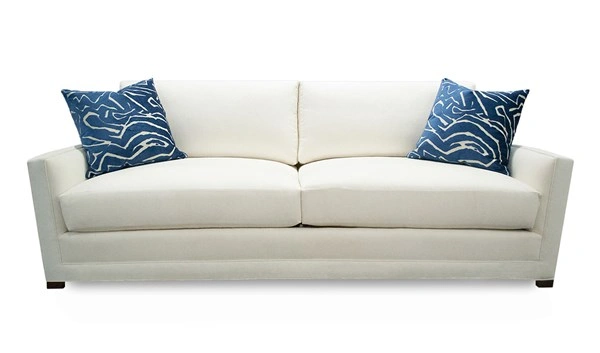
Randee Sofa The Randee Sofa carries forward the softness introduced in the chair while adding a strong linear presence. A continuous upholstered band traces from the foot to the back, framing the sculptural volume and emphasizing its silhouette. The subtly curved deck tempers the geometry, and the tiered backrest provides layered comfort. It feels equally at home in a more formal sitting room or a relaxed family space.
Sir Martin Canted Sofa The Sir Martin Canted Sofa extends the collection’s clean, structured language with a subtle canted front that introduces movement without disrupting its tailored profile. Thoughtfully scaled for versatility, it serves beautifully as a foundational piece in a living room or as a companion to the Sir Martin seating. The result is composed, balanced, and quietly distinctive.
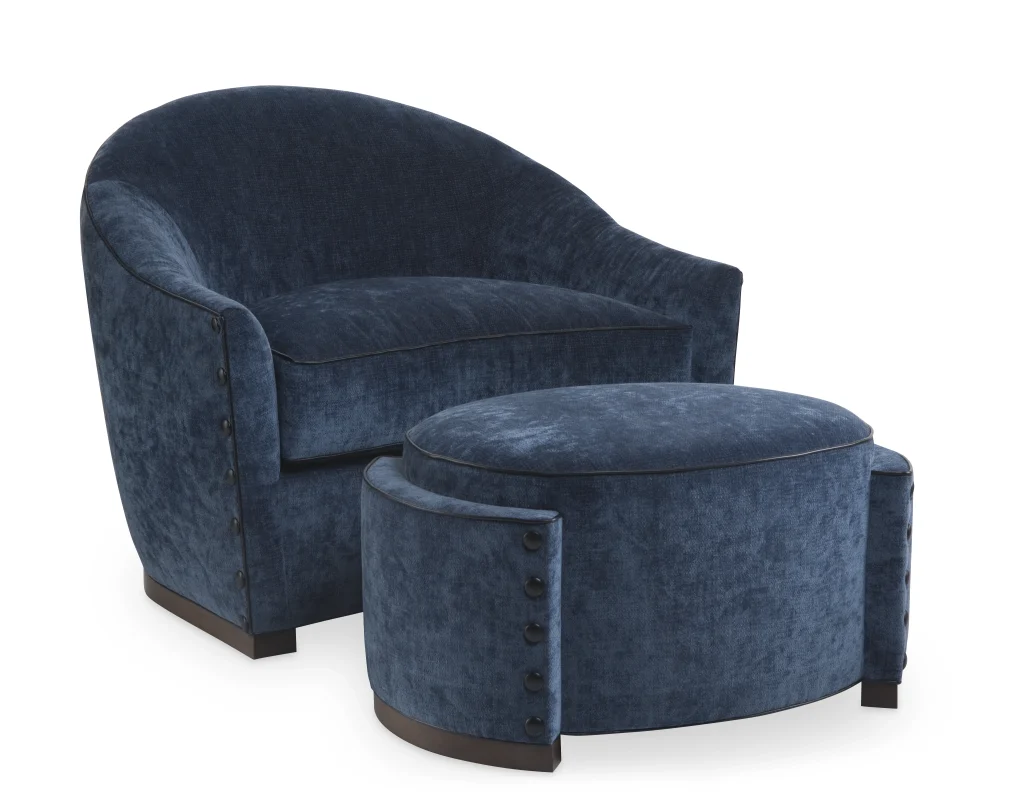
Keuster Chair and Ottoman The Keuster chair and ottoman offer a more relaxed, lounge-inspired experience. The lower profile and enveloping shape encourage you to settle in, creating a quiet moment within a larger space.
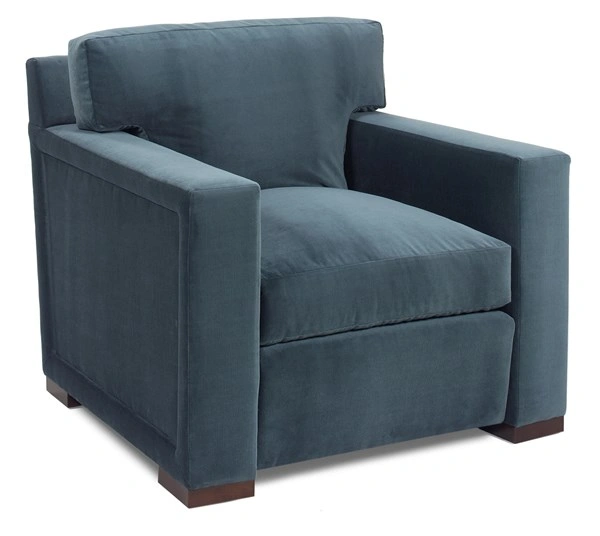
Richard Barrel Chair The Richard Barrel Chair is tailored and timeless. Its structured silhouette and subtle detailing allow it to adapt across a range of interior styles. Whether used as a single accent or in pairs, it brings a sense of order and refinement to a room.
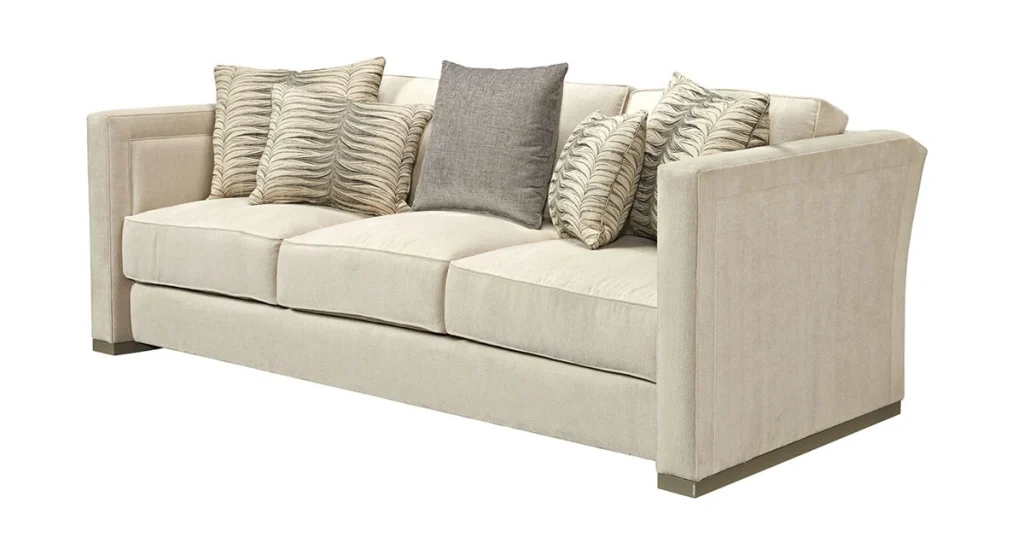
Pepe Sofa The Pepe Sofa introduces a more relaxed expression within the collection. Its generous proportions and softened lines create an inviting presence that encourages conversation and ease. The silhouette is refined yet approachable, making it ideal for layered living spaces where comfort and composition are equally important. Pepe brings a sense of warmth while maintaining the tailored sensibility that defines the collection.
While it was bittersweet to see EJ Victor conclude such an impactful chapter, I am confident in this next evolution. With Chaddock now carrying the collection, these designs continue with the craftsmanship, quality, and livability that have always defined them.
The Allison Paladino Collection is now available through Chaddock showrooms and representatives nationwide.
This year at the Palm Beach Show, we had the pleasure of joining an inspiring panel discussion titled Collectors versus Non-Collectors: Designing with Art for Two Different Client Types, alongside Carlos Herrera Elias of Art New Line.
The question that anchored our discussion was a thoughtful one: Are we designing toward a collection, or away from it? In other words, what does the house look like in relation to the art?
For us, the answer always begins with architecture.
Join us as we sit down with Ted Bainbridge, President of BUILD Magazine, for an inside look at one of our Palm Beach projects. This remarkable estate features nine bedrooms, thirteen baths, and more than 15,000 square feet set on 2.71 private acres. The home reflects our signature approach to classic transitional design, elevated through rich materials, thoughtful architectural detail, and a sense of livable luxury.
During the conversation, Allison Paladino and Zita Van Egmond-Rudd share the story behind the project, the evolution of our Palm Beach Gardens-based design firm, and the collaborative process that guides each home we create. We talk about balancing timeless architecture with fresh, unexpected elements, and how we ensure every residence feels personal, refined, and truly meant to be lived in.
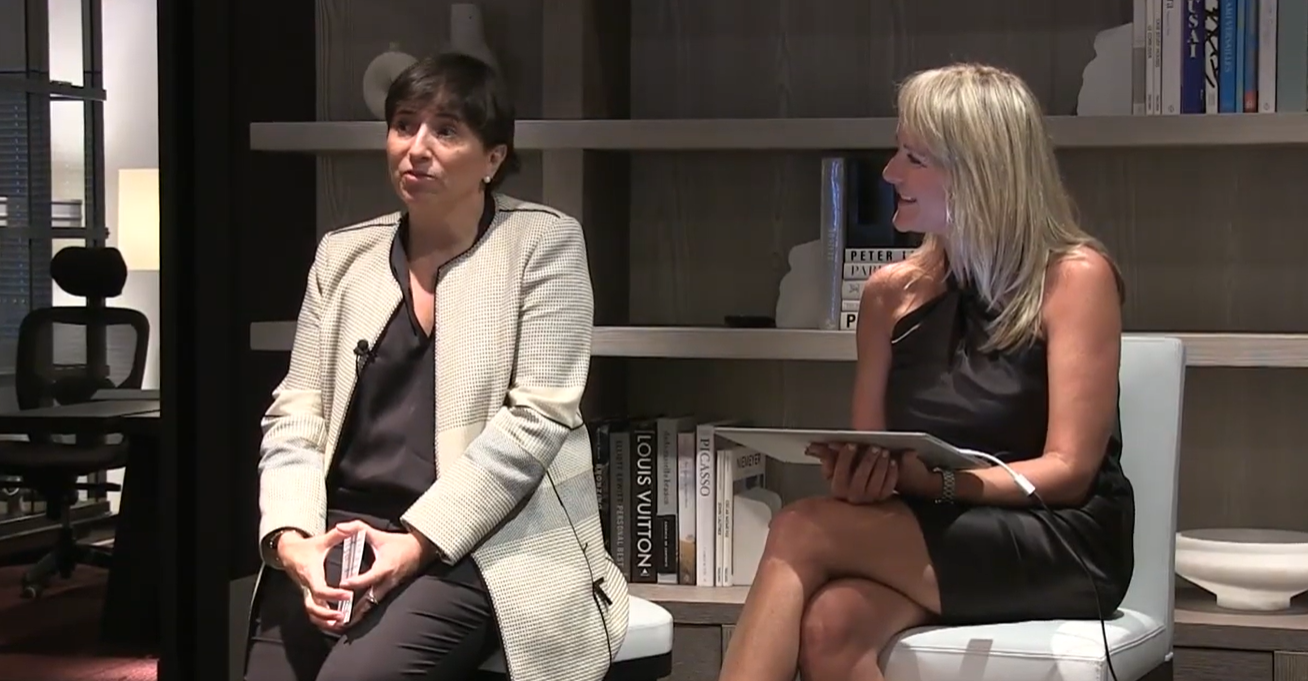
I want to begin by saying how grateful I am to Thais Roda, the team at Liaigre Miami, and everyone who joined us for such a beautifully hosted and thoughtful private evening.
This presentation was intentionally different for me. Interior design has been my life’s work for more than thirty years, but that night was not really about the projects. It was about the people behind the work. I wanted to speak honestly about wellness, balance, leadership, and what it means to take care of ourselves in a profession that is incredibly rewarding, yet incredibly demanding.
I shared personal experiences and lessons that have shaped how I design, how I lead, and how I live today. I also walked guests through my journey as a product designer, from furniture and lighting to outdoor collections, and my rug and pillow collaboration with Perennials. It is a partnership I deeply believe in for its innovation, durability, and beauty. Seeing those pieces displayed inside the Liaigre Miami showroom made the evening even more meaningful.
More than anything, the night was about honoring designers, creatives, and business owners. It was about acknowledging the energy we give every single day and reminding ourselves that caring for our well-being is essential.
Thank you to everyone who came, listened, and shared in the conversation. I truly hope you left feeling supported, encouraged, and reminded of how important you are.
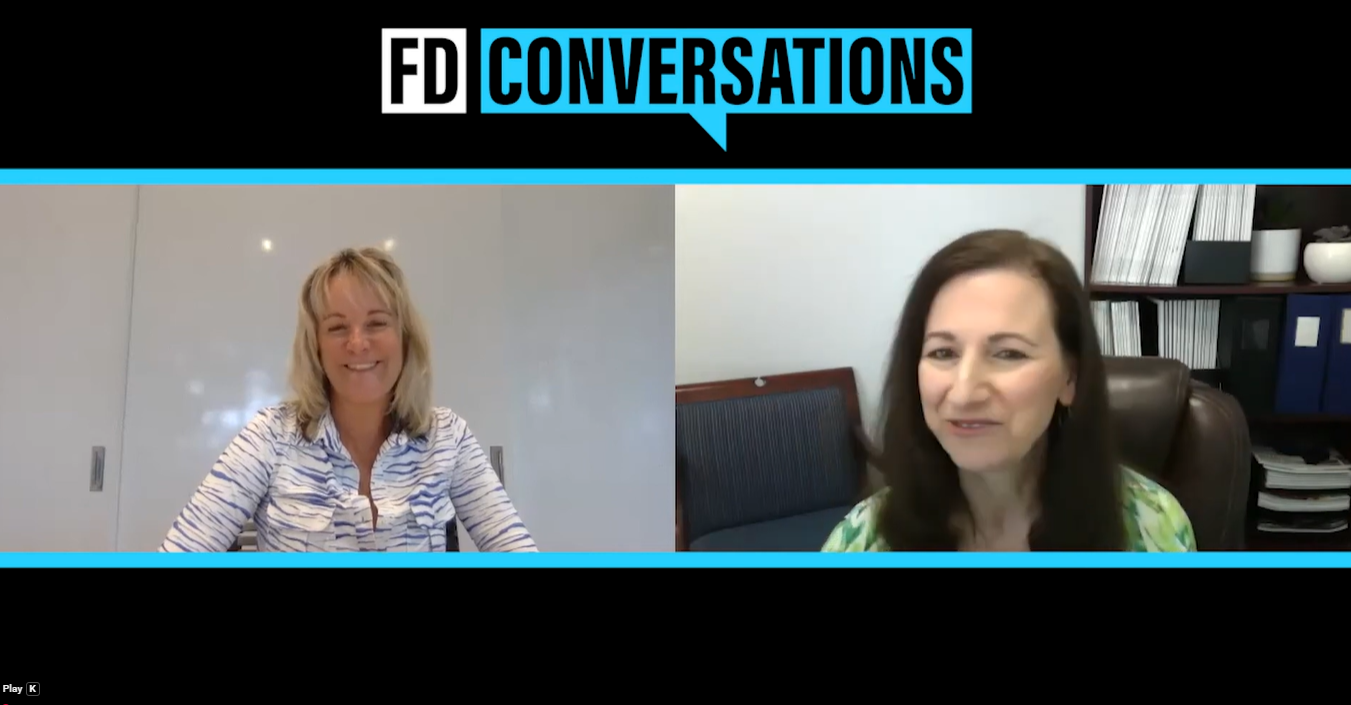
In this first episode of FD Conversationswith Florida Design, I had the pleasure of sitting down with Editorial Director Daffhne Nicolopoulos to talk about how interior design is evolving in a rapidly changing world.
As highlighted by Florida Design, recent global changes have influenced not only our industry but also the way we live, work, and experience our surroundings. We discussed how design firms have adapted in meaningful ways, from implementing new safety protocols to embracing virtual presentations and Zoom consultations. These adjustments have reshaped the creative process and strengthened collaboration, allowing designers and clients to remain connected while navigating new realities.
What I continue to see firsthand is a clear and intentional shift in what clients value most. There is a growing desire for homes that feel grounded, livable, and emotionally supportive. Beauty alone is no longer enough. Spaces must function effortlessly, offer comfort, and provide a sense of calm. As our conversation for Florida Design emphasized, design today carries a deeper responsibility. The home has become a place of restoration, connection, and reflection in ways that feel more significant than ever before.
Thoughtful design has always mattered, but its impact is now more personal and more immediate. When architecture, materials, and proportion are considered with care, the result is not simply a beautiful space, but an environment that truly enhances daily life.
I was honored to join my longtime friend John Welker for an episode of Century Furniture’s Wednesdays at 1. It was a thoughtful and reflective conversation centered on growth, leadership, and the evolution of creative work.
We spoke about the journey from my early education to founding my firm in 1997, and how navigating industry shifts has shaped both my perspective and my practice. Building a firm that evolves alongside your life requires clarity, adaptability, and a willingness to refine your approach over time.
Our discussion also touched on sustaining creativity and leadership within the broader world of luxury furniture design and high-end residential work. Maintaining standards while building strong systems, delegating with intention, and trusting the people around you are all essential to long-term success. Leadership, I have learned, is less about control and more about structure, vision, and consistency.
We briefly explored how my product collaborations grew organically from my interior practice. Each opportunity has been rooted in curiosity and a desire to create pieces that feel enduring, functional, and thoughtfully considered.
More than anything, the conversation was a reminder that creativity matures, priorities shift, and success takes many forms at different stages of life. I am grateful to Century Furniture for creating a platform for meaningful dialogue and for continuing to support conversations within our industry.