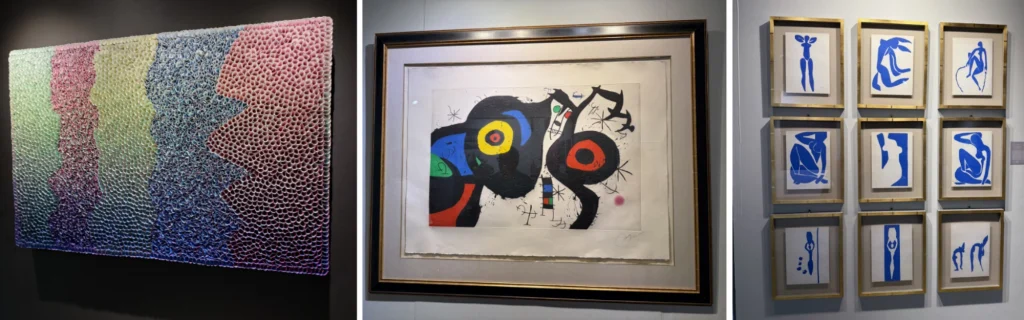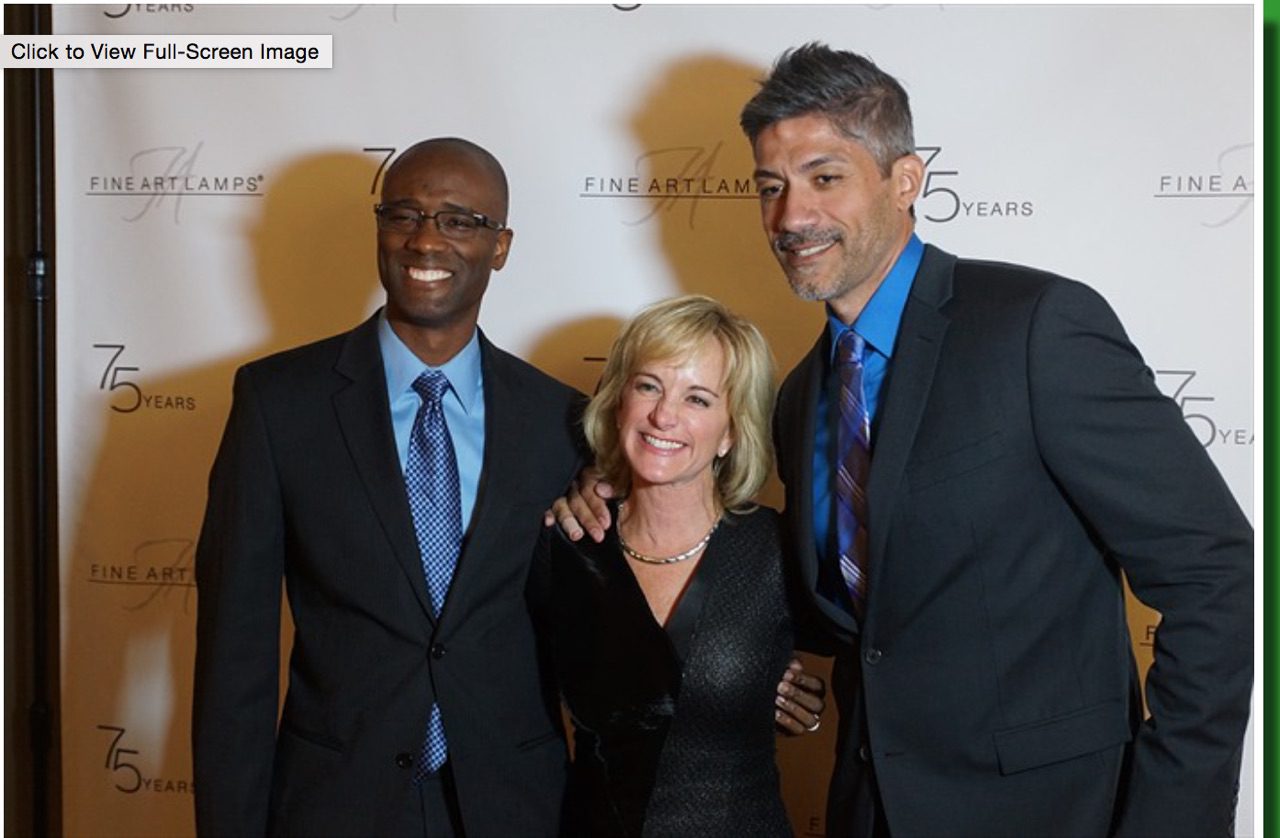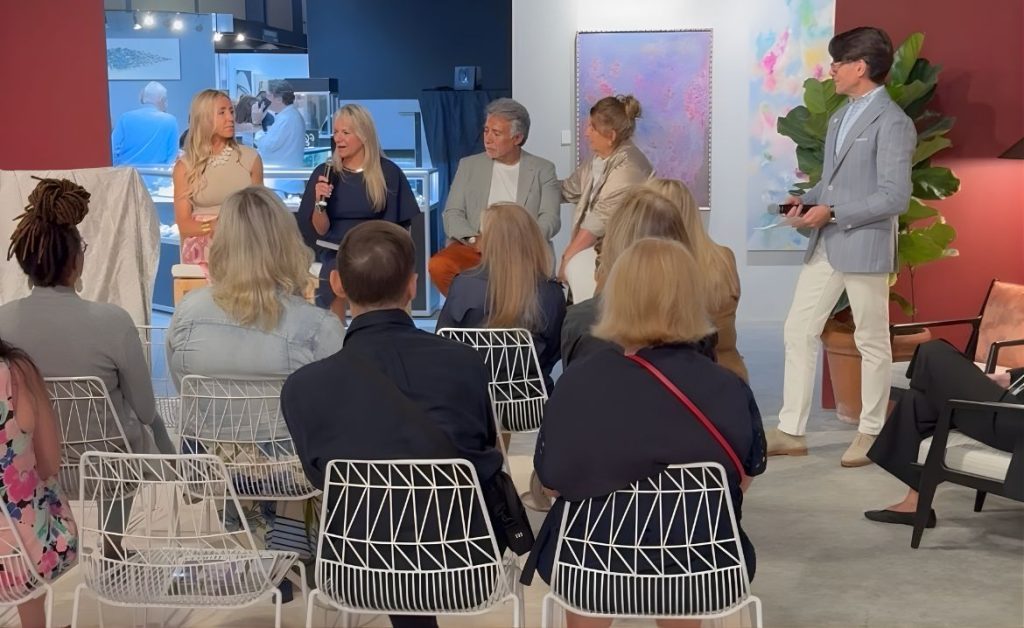
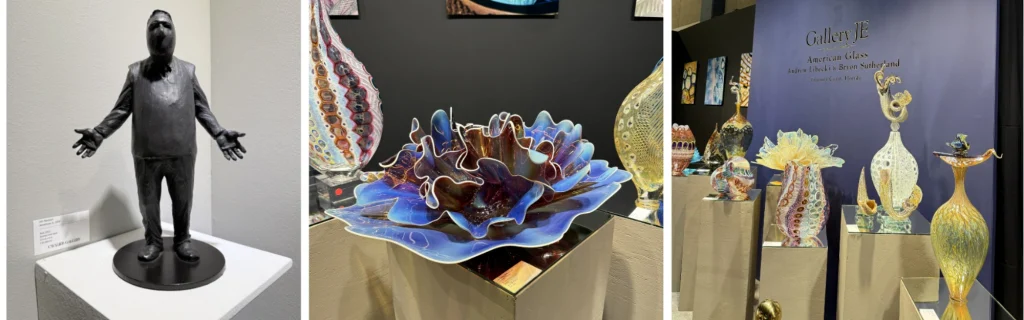
This year at the Palm Beach Show, we had the pleasure of joining an inspiring panel discussion titled Collectors versus Non-Collectors: Designing with Art for Two Different Client Types, alongside Carlos Herrera Elias of Art New Line. Set against the backdrop of what is widely known as the most luxurious and sophisticated showcase of its kind in the United States, the conversation felt especially fitting. The Palm Beach Show brings together extraordinary art, antiques, and jewelry from around the world, and being surrounded by that caliber of craftsmanship naturally elevates any dialogue about design.
The question that anchored our discussion was a thoughtful one: Are we designing toward a collection, or away from it? For us, the answer always begins with architecture.
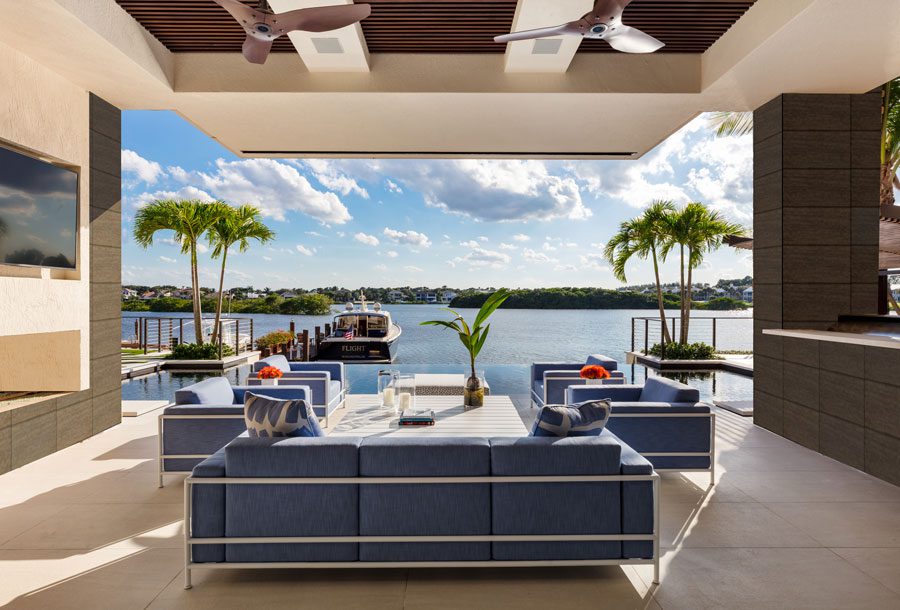
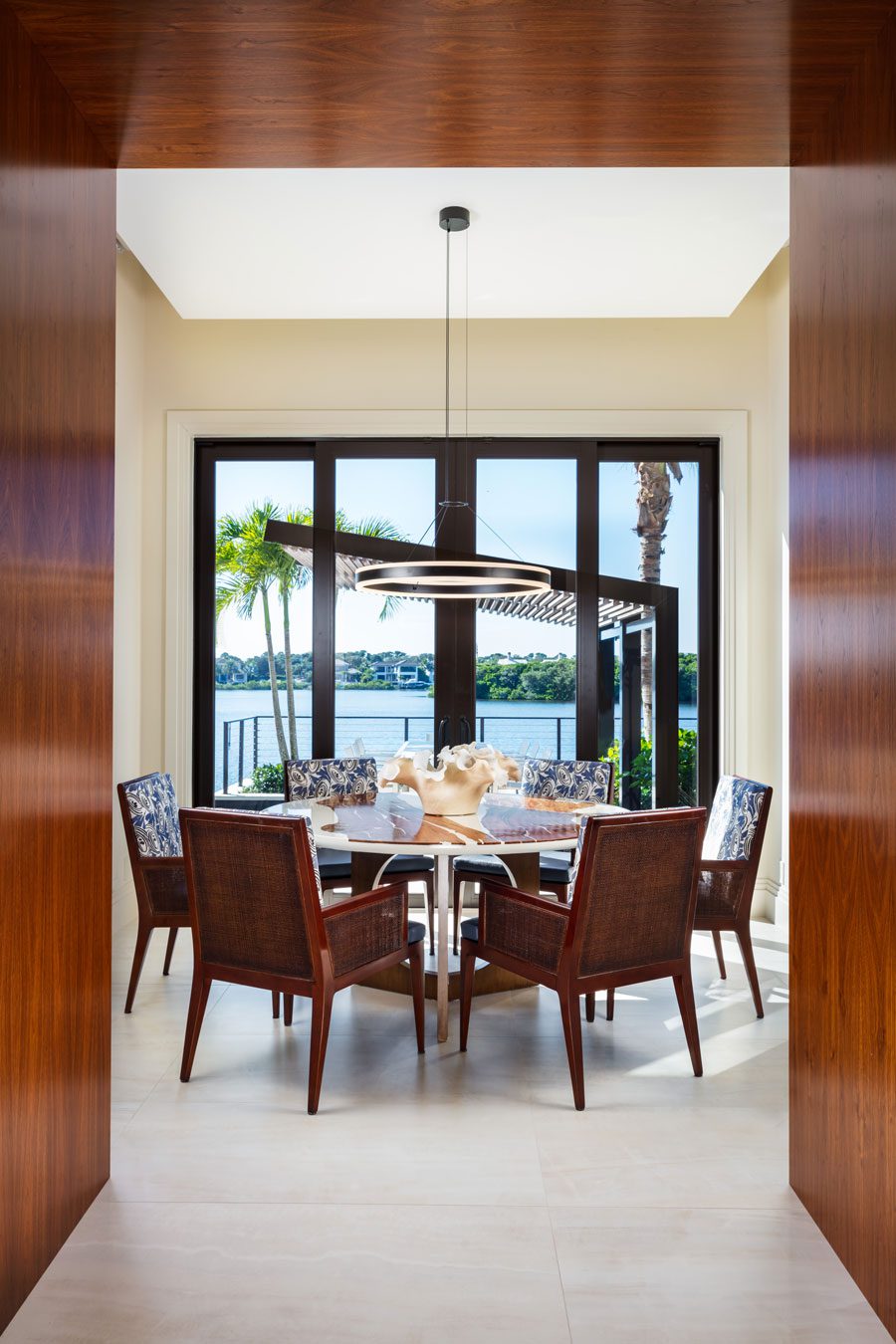
In many of our projects, particularly new builds, we are shaping the interior architecture long before furnishings are installed. That early involvement allows us to create moments for art to live and breathe intentionally. When a client is a true collector, the home becomes a gallery in the most personal sense. It is not about filling walls. It is about composing sightlines, scale, proportion, and light so each piece feels purposeful.
Collectors tend to lead with passion. They acquire pieces that move them, sometimes before knowing exactly where those works will live. Our role is to thoughtfully craft interiors that honor and elevate those acquisitions. We consider ceiling heights, wall expanses, natural light, and circulation patterns so that the art feels intentional rather than incidental. Realistic renderings are invaluable in this process, allowing clients to see how scale and placement will feel long before installation day.
One project we referenced during the panel perfectly illustrates this approach. The clients were transitioning from a traditional home in Michigan to a striking modern residence. Along the way, they began acquiring bold contemporary art, including an extraordinary oversized Patek Philippe watch installation nearly 11 feet long. They purchased it before the home was completed and would send us photos as they discovered new pieces. That level of enthusiasm is always such a joy to witness.
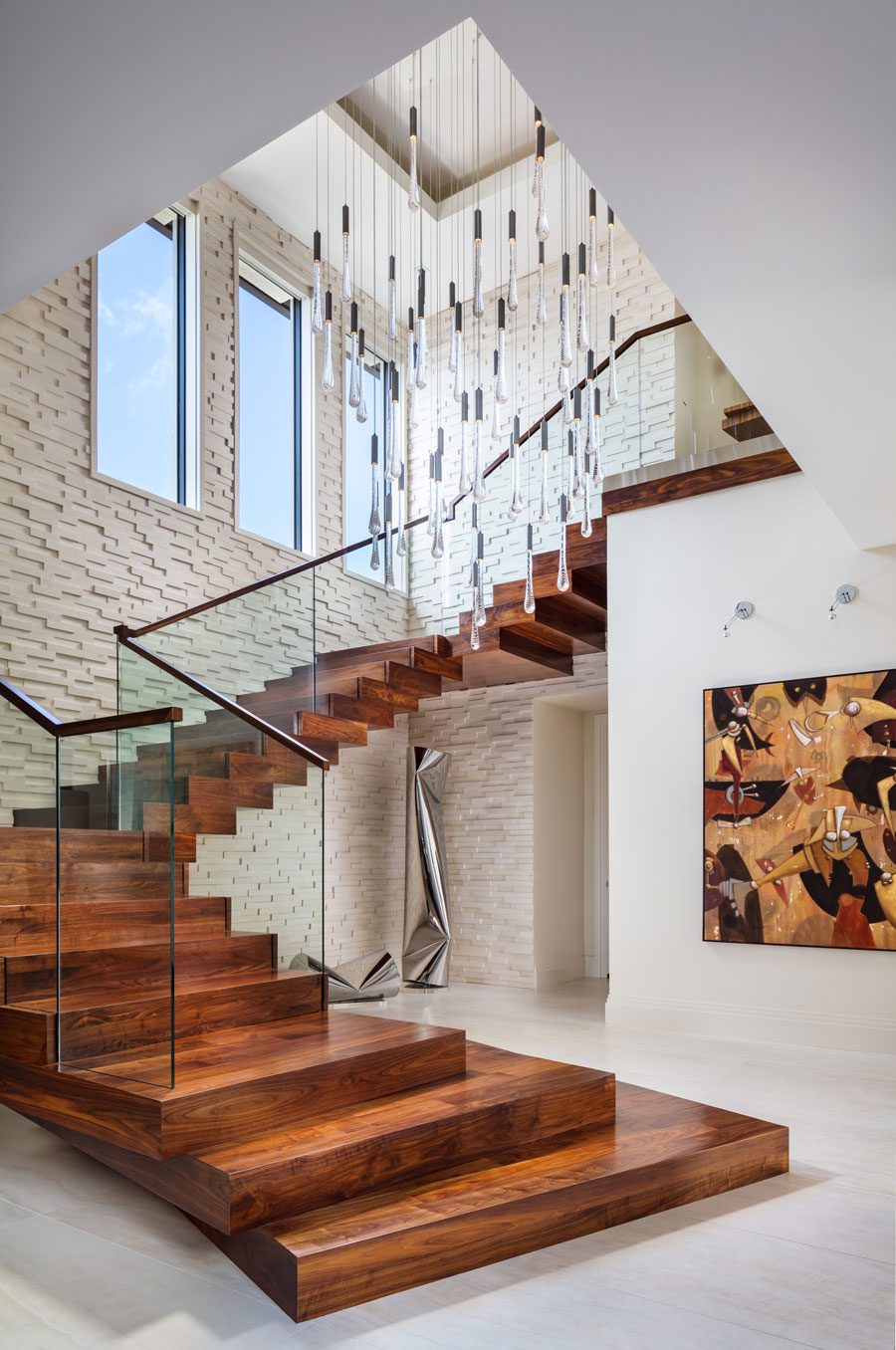
Because we were deeply involved in the architectural planning, we were able to study the renderings and identify the ideal placement for that statement piece. It became the focal point of a custom-designed staircase, one of our favorite architectural elements to create. The result was not simply a house with art added later. It was a home where the architecture and the artwork were in dialogue from the very beginning.
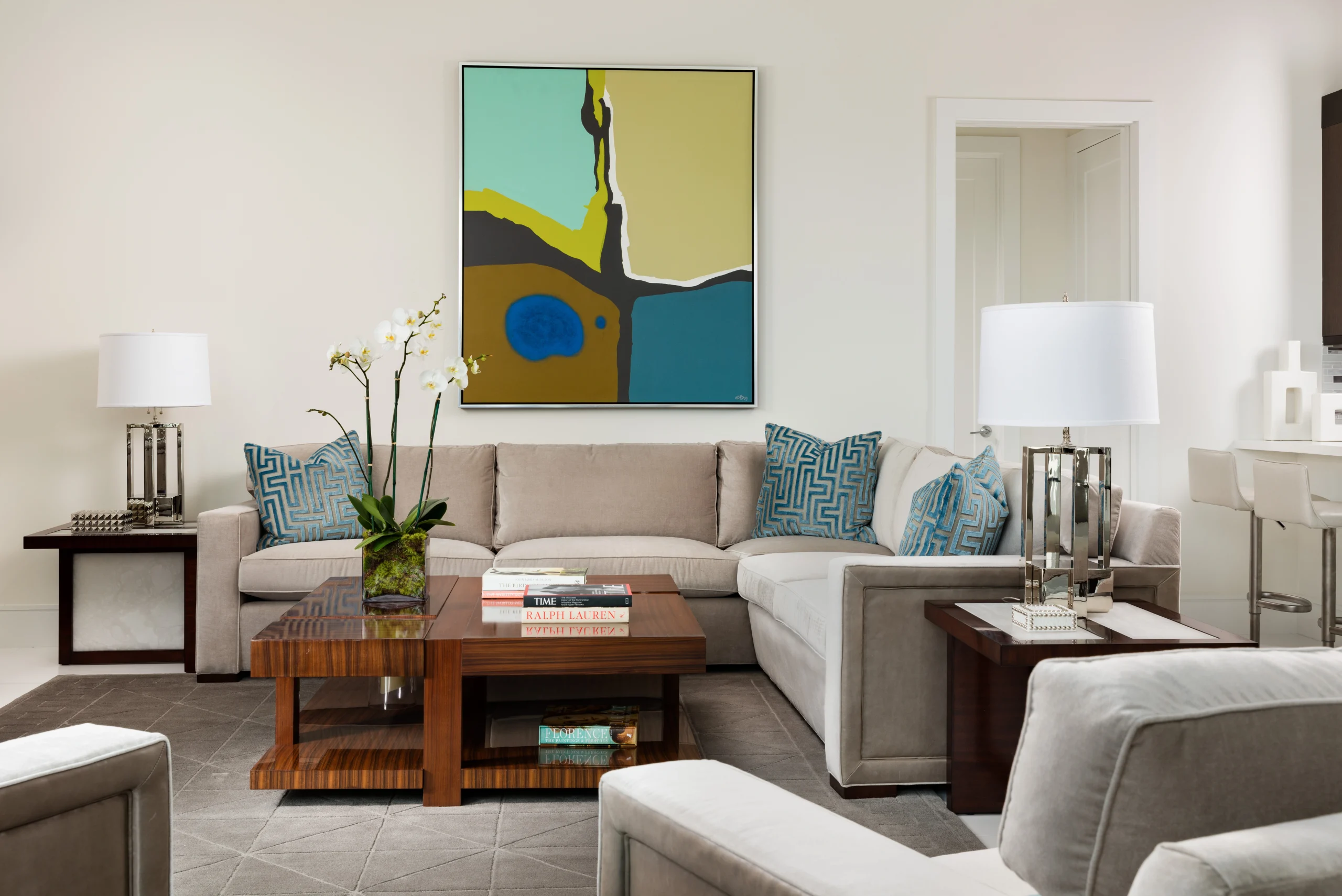
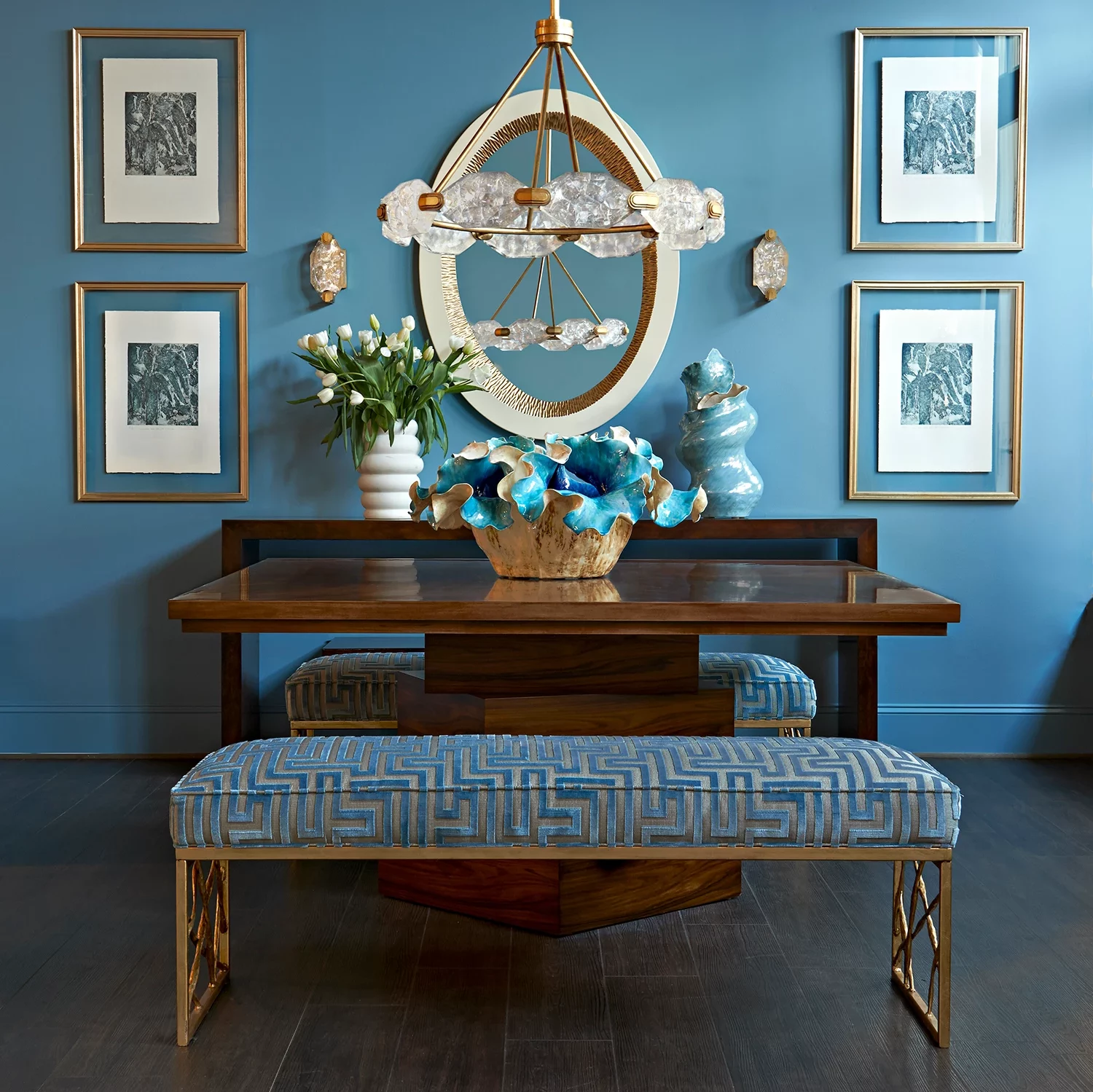
Non-collectors, on the other hand, may approach art as a finishing layer. In those cases, we often guide the selection process more actively, helping clients discover works that complement the architecture and furnishings. We consider color palette, mood, and spatial rhythm, ensuring the art enhances the overall design narrative without overwhelming it.
One of our favorite aspects of working with collectors is continuing the journey beyond the home itself. We often attend art shows with our clients, including the Palm Beach Show and Art Basel, sourcing new pieces together. It becomes an ongoing collaboration, an evolution rather than a single design moment. There is something incredibly meaningful about standing beside a client as they fall in love with a work of art, knowing we will help create the perfect setting for it.
Ultimately, whether a client is a seasoned collector or just beginning to explore the world of art, our philosophy remains the same. A home should tell a story. Art is often the most personal chapter of that story. When thoughtfully integrated into the architecture and interiors, it transforms a beautiful space into something deeply individual.
And that, for us, is where design truly begins.